Neurodiversity - a straight forward explanation and neuro-affirming approach
What is neurodiversity?
The York Centre's approach is neurodiversity affirming. Psychotherapists are highly experienced at helping clients to navigate life experiences and wellbeing issues, understanding people's brain design.
Neurodiversity is a way in which we can describe neurological differences in how the brain can work. It is estimated that neurodivergent individuals make up at least 20% of the population.
In Human Givens, we describe neurotypical and neurodiverse as our brain design. We passionately believe that there is no single "right" way of thinking, feeling and being. But, having a clearer understanding about your brain design, can make a very valuable contribution to help you live a life in a better balance.
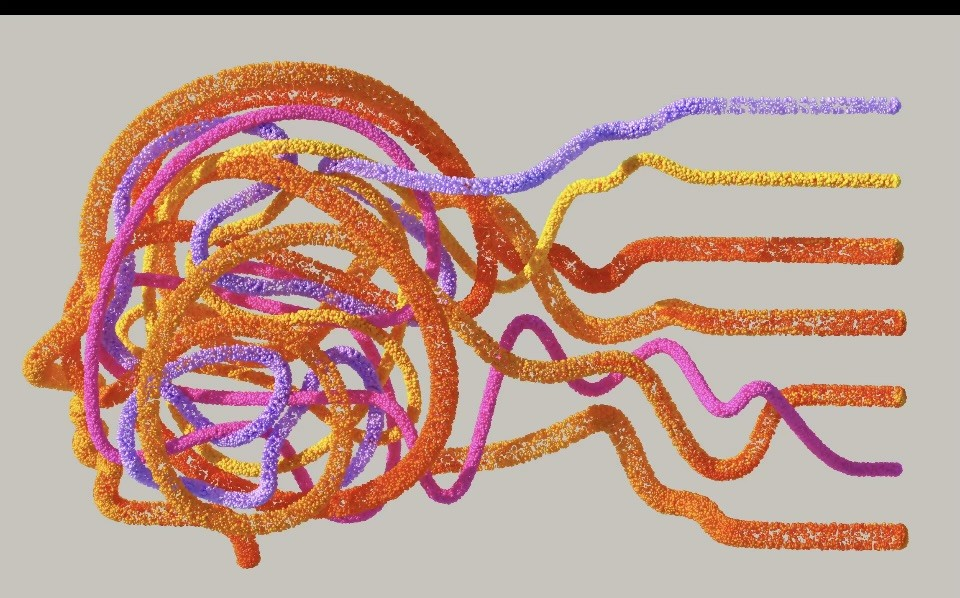
In definitions, neurodiversity includes autism, ADHD, dyslexia, dyspraxia, dyscalculia, dysgraphia, dyspraxia, tourettes syndrome, sensory processing disorder (SPD), developmental language disorder (DLD) and obsessive compulsive disorder (OCD). Some psychologists believe that bipolar disorder should also be part of the neurodivergence umbrella.
All of our therapists embrace and celebrate difference. Sessions are designed to bring insights whether your brain design is neurotypical or neurodiverse. We value the insight and lens that each client brings to their life and understanding of the world.
A neuro-affirming approach to therapy
One fundamental benefit of therapy is to understand yourself more deeply and what you want to do in order that your life is in a better balance.
We offer practical, emotional and psychological support which is neuro-affirming. That is advice and support that aligns with how your mind naturally processes the world.
We share lots of psychoeducation information to help understand how the brain, body and nervous system works. This can help people to feel in greater acceptane and more at peace with how the brain works and how it connects with their identity. By lowering the emotional arousal and feeling more grounded, it can be easier to access other innate and personal resources to aid your personal growth.
Techniques, strategies and approaches are also bespoke to your brain design. We understand that generic advice doesn't necessarily work. It's about understanding your individuality and unique experience of the world, and walking alongside you offering bespoke neuro-affirming solutions to try.
After engaging in therapy, you may decide that having a formal assessment may still help you to reach a deeper understanding and acceptance of yourself, make sense of the past or bring clarity to your life moving forward. There are also potential organisation adjustments and support you can access.
At the same time, many people we work with decide that they don't need or want a formal diagnosis. They decide that they can achieve what they want through therapy and coaching when supported by someone who understands neurodiversity.
How you may experience being neurodiverse or neurodivergent
If you have ever felt like the world wasn’t quite built for the way your mind works, you are not alone. Here are a few examples of how neurodivergent people may experience their lives: